
Christmas Time; When Everyone Comes Together

What’s Christmas, and why do so many people celebrate it? Do you, too, put on the red-green reindeer stockings, cook goodies, and wrap gifts? Or you just flat out ignore it?
Does it hold cultural values as well, or is it simply a religious ceremony repurposed and reshaped by our modern times? What traditions does Christmas bring back to life? Read more about all this below.
Christmas Brings Everybody Together
In every corner of this beautiful world of ours, where there’s someone with a cross on the wall with a subtle note of praise filling the air, December 25th is celebrated as well. Christmas Day, or the Christmas holidays, reminds us of the teachings of the Lord and Savior Jesus Christ, who preached the message of novelty, sacrifice, and peace. It’s a global memorial day of one of God’s most favorite prophets.
Although inherently religious, the old, jolly Christmas is celebrated by even atheists and people of other faiths. For many, it’s no longer a religious monument, but rather a time of family, friends, and kindness. It’s a great time to be around the church, jam-packed with special services, spirit-lifting prayers, and good vibes all around!
And, to top it all off, in this gift-giving festivity, there’s plenty of yummy grub and delicious dishes that one can’t simply refuse! Combine that with red-splashed decorations, the cute Christmas stockings and hats, and you can quickly figure out why so many people of any background and belief love this time of the gregorian-calendar year!
If you’re religious, then you’re probably thrilled for December 5th because it signals humane virtues by celebrating the birth of one of God’s favorite couriers of love, unity, and faith, Jesus Christ.
Why’s Christmas so Beloved?
Jesus spent its years of enlightenment in one of the darkest ages of civilization preaching for compassion, forgiveness, humility, and sacrifice. These were the core characteristics lost to the populus and missing from those times.
But that’s not all of it. From a cultural standpoint, the implications of Jesus’s mission become significantly more valuable and admirable. In a time where everyone had to fend for themselves to survive and the political and cultural plane was abysmal, the Son of God splashed a new hope on the canvas of life.
“Although inherently religious, the old, jolly Christmas is celebrated by even atheists and people of other faiths.”
He urged people to reconnect with each other and lend a hand to a neighbor in need. Jesus went out of his way to take care of others and made sure his followers followed suit. That’s why today so many charitable donations happen around Christmas time, outshining any other time on the calendar.
Kids Go Super Crazy for Christmas!
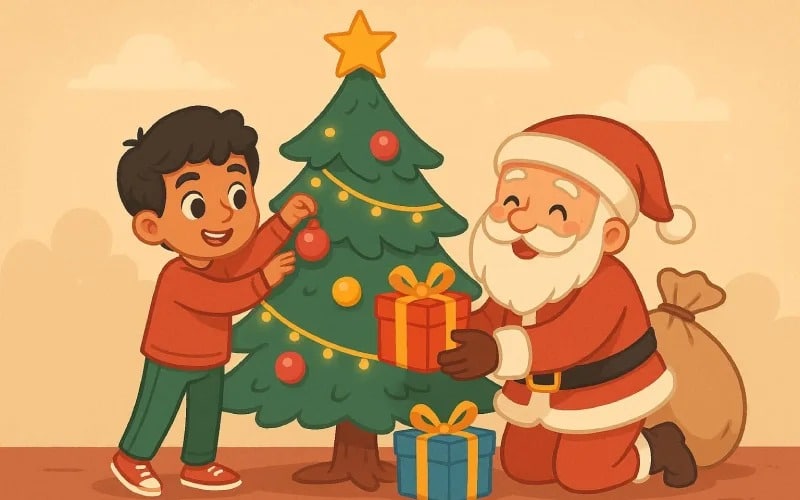
Children can’t get enough of Christmas. It has everything any child could hope for: wrapping gifts, decorating, no school, friends and family, opening gifts, fairy tales and Santa Claus, cookies and sweets.
It’s also a great time to cozy up under a blanket when the parents or the grandparents read stories of fantasy creatures and enigmatic worlds. It’s just the best time for their sense of imagination and creativity to run rampant!
What kids don’t understand about Christmas, beyond the gifting fun time, and giggles, is the character-building traits they pick up during the Christmas season.
“Jesus went out of his way to take care of others and made sure his followers followed suit.”
They are indirectly learning how to share, show appreciation, be more generous, and harbor love without expectations and discrimination. If they were playing alone by now, they would learn to share and even donate toys to others.
Christmas doesn’t educate children only to be receivers, but to be givers. 🎅
Christmas Traditions
Christmas traditions stem from older times, with some new fun sprinkles mixing it up along the decades. Here are some of the most common Christmas traditions these days:
- Decorating a Christmas tree with lights and ornaments
- Hanging stockings for gifts
- Exchanging presents with family and friends
- Singing a Christmas carol
- Baking special holiday foods and desserts
- Attending church services or nativity plays
-
Visiting and Aiding Donation Centers, Soup Kitchens, and Homeless Shelters
Traditions are often passed down through families, making Christmas deeply personal. Even small rituals—like watching a favorite holiday movie or having a special meal—can become meaningful traditions that people cherish year after year.
History of Christmas
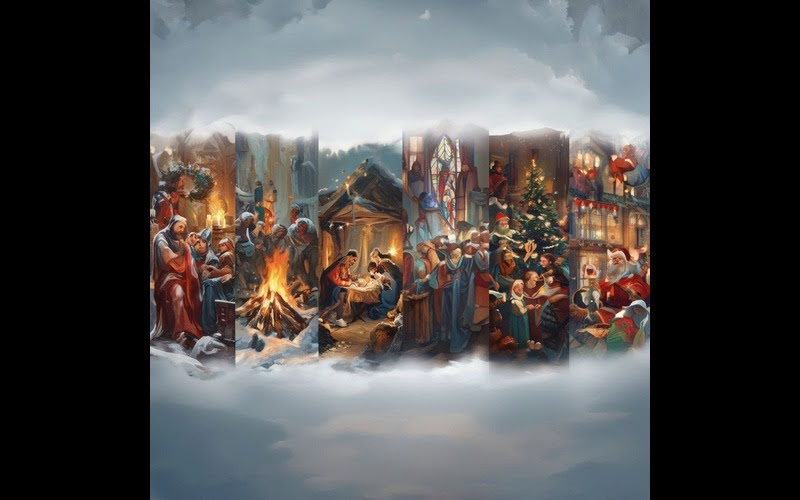
Christmas dates back 1700 years, older than many of the countries celebrating it today! Many of the Christians didn’t bother to decorate and celebrate the holiday, as it has become customary and globally celebrated today. It took around 300 years before December 25th was officially crowned as the day to commemorate the birth of Christ.
However, way before the advent of Christianity, and the day of Christ’s birth becoming mainstream, people were tied to the tradition of celebrating winter festivals. With such close seasonal relations, it was easier for everyone to get accustomed to Christmas. Today, December 5th, it’s not a single cultural festivity; it’s an accumulation of many beliefs, ceremonies, and, of course, seasonal fairs that are still changing depending on where you celebrate it!
By the 19th century, Christmas trees could be found not only in Europe but in any corner of the world. Traditional greeting cards or gift-rooted trees and family times have come out of being irregular and something every other culture can enjoy.
Why Do We Celebrate Christmas
As we went over already, different people celebrated Christmas differently. But it’s safe to say that the core reasons of Christmas fun time has stand the test of time.
For Christians, Christmas is celebrated to honor the birth of Jesus Christ and reflect on his teachings of love, forgiveness, and humility.
For others, Christmas is a time to:
-
Strengthen family bonds
-
Celebrate generosity and kindness
-
Take a break from daily routines
-
Create joyful memories
When people come together, they tend to get close and take part in activities that suit their interests. It’s a multi-cultural globally-appreciated time for everyone to set aside their quarrels and peace out to soothing tunes and feast on delicious local cuisine.
Let’s See What Other Cultures Do in Christmas
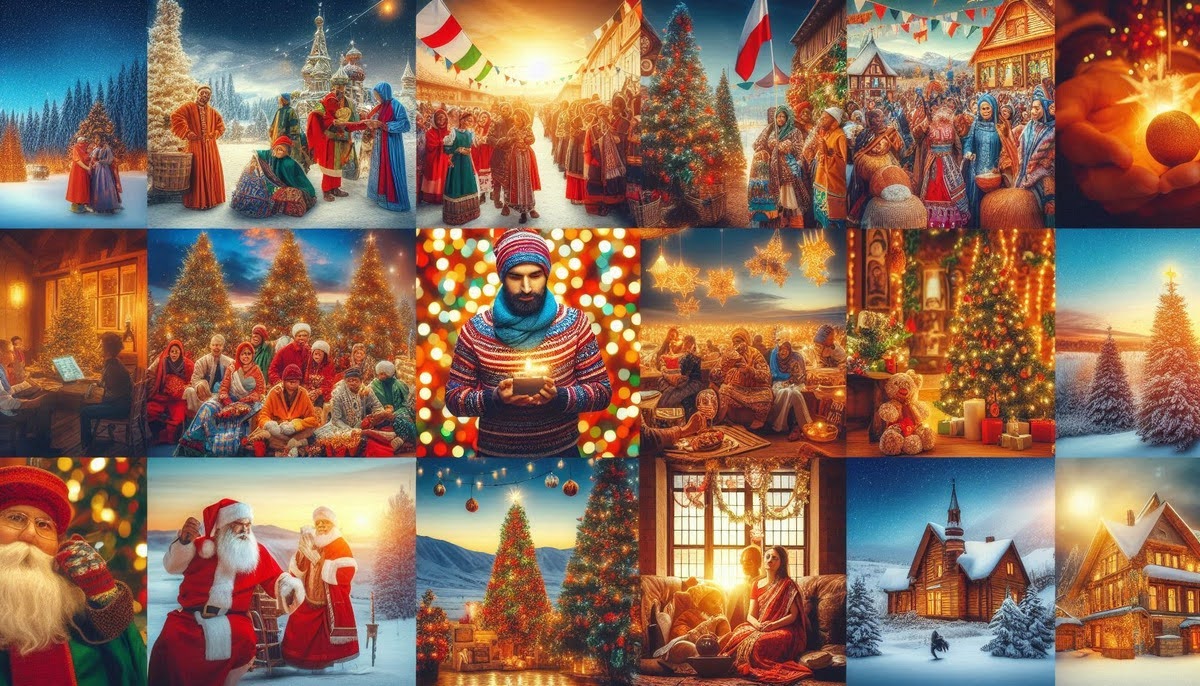
Germany is famous for its Christmas markets (Weihnachtsmarkt), where people enjoy mulled wine, gingerbread, and handmade gifts. Families decorate Christmas trees and celebrate on Christmas Eve (December 24). Advent calendars and wreaths are also an important tradition.
Italy 🇮🇹
Italy celebrates Christmas with strong religious traditions. Many families attend Midnight Mass. Instead of Santa Claus, some children receive gifts from La Befana, a friendly witch, on January 6. Fish dishes are popular on Christmas Eve.
Spain 🇪🇸
In Spain, Christmas celebrations last until early January. Families enjoy large meals and attend church. Gifts are often given on January 6 (Three Kings’ Day) instead of Christmas Day. Children love the traditional Three Kings parade.
Sweden 🇸🇪
Christmas in Sweden starts with Advent and candle lighting. On December 24, families watch a special Donald Duck TV show, eat a Christmas buffet called Julbord, and exchange gifts. A Christmas goat (Yule Goat) is a popular decoration.
Mexico 🇲🇽
Mexico celebrates Christmas with Las Posadas, a nine-day event reenacting Mary and Joseph’s journey. Families break piñatas, sing songs, and enjoy tamales. Midnight Mass is followed by fireworks and celebrations.
Japan 🇯🇵
Although Christmas is not a religious holiday in Japan, it is widely celebrated in a modern way. Couples go on dates, cities light up with decorations, and families often eat fried chicken or cake. Christmas feels more like a romantic holiday.
Christmas Symbols and Meanings
1. Christmas Tree 🎄
The evergreen Christmas tree symbolizes eternal life and hope. Decorating it with lights and ornaments represents joy, light, and celebration during the dark winter months.
2. Santa Claus 🎅
Santa Claus, based on St. Nicholas, symbolizes generosity, kindness, and the spirit of giving. His red suit, sleigh, and reindeer are symbols of joy and childhood wonder.
3. Stars ⭐
The star represents the Star of Bethlehem, which guided the Wise Men to baby Jesus. It symbolizes guidance, hope, and divine light.
4. Nativity Scene 🐑👶
Nativity scenes depict the birth of Jesus in Bethlehem, including Mary, Joseph, and animals. They symbolize faith, humility, and the true meaning of Christmas.
5. Wreaths and Holly 🌿
Wreaths, often made of evergreen branches, represent eternity and the circle of life. Holly, with its red berries, symbolizes the blood of Christ and protection against evil.
6. Candy Canes 🍬
Candy canes are shaped like a shepherd’s crook, representing the shepherds who visited Jesus. The red and white stripes symbolize Christ’s sacrifice and purity.
7. Bells 🔔
Bells symbolize joy, celebration, and the announcement of good news. They were historically used in churches to call people to worship.
8. Christmas Lights 💡
Lights represent hope, faith, and the light of Christ. Stringing them on trees and homes brightens the season and symbolizes triumph over darkness.
9. Gifts 🎁
Exchanging gifts reflects the gifts given by the Wise Men to baby Jesus. It symbolizes love, generosity, and kindness.
10. Angels 👼
Angels symbolize messengers of God. They remind people of peace, guidance, and protection during the holiday season.
But above all, Christmas signals a time for you and your family. It’s a time to get together under a brightly-lit and adorned tree companied by gifts 🎁, fatty drinks, and an excellent aroma. December 25th is a time to forget and forgive. It’s a time to make resolutions and care for others. It’s the best time of the year 🎄