
Find Your Best Time to Study: Practical Tips Based on Science & Daily Habits

Deciding what time is the best time to study for you is completely personal and experience-based, but it could be broken down into categories and a series of mental and habitual exercises.
What Is the Best Time to Study? (According to Science & Practice)
Finding the best time to study is like finding the best partner to mate: some find it earlier in life, some prefer it along the way, and some leave it for later.
For some students, the first sun rays dancing on the floor mean focus and study time. Others take the midday as the prime time to absorb the educational materials. Late evenings, for some people “especially night owls” can be surprisingly productive for creative thinking or deep, uninterrupted focus.
But, it all comes down to your personal rhythm, chronotype, daily habits, environment, and how you assign studying materials to different time windows. All of the aforementioned can and will impact your cognitive levels and abilities throughout your studies. One thing can be said for sure, though: “ The best time to study is the time when your mind is most naturally alert!”
Assign the Right Material to the Right Time Window

If you’re having trouble deciding where to start in your studies, try to figure out what goes more slowly or faster for you, in terms of the materials.
Early mornings are usually more suitable for saving new information and critical data, when the brain capacity is no way full. Later on, it’s the mental fortitude to shows itself as our reasoning and cognitive functions are at their highest. And, as the daylight gives way to the dark of the night, it’s the best time to summarize and review notes and learnings. These are things that modern teaching methods teach us. However, it’s highly dependent on your chronotype.
To reduce friction and get the most out of your studies, say learning a second language, read on to the next section to pinpoint the best time of the day to study for your biological clock!
Learning Your Chronotype
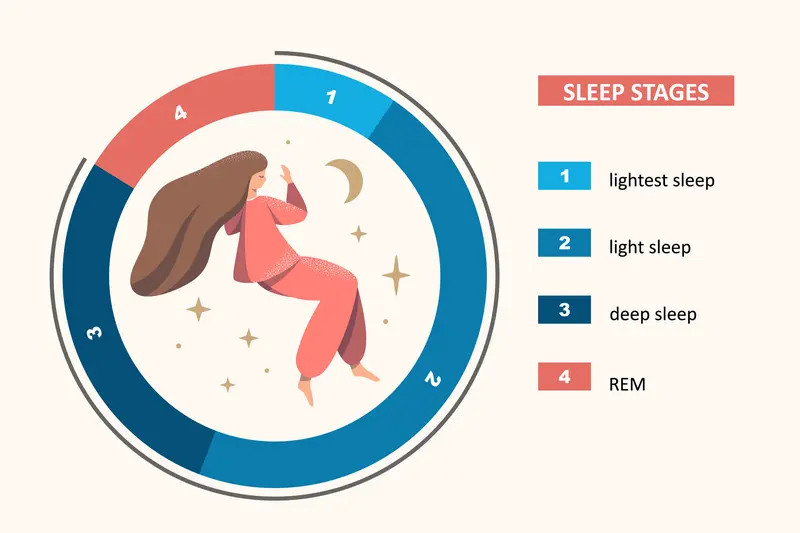
Chronotype is the rhythm to which your body performs the wake-sleep dance. In simpler words, when you go to bed and when you wake up. Some students are a morning lark, a night owl, or somewhere in between, and all of that is fine.
“The best time to study is the time when your mind is most naturally alert.”
The key takeaway is to understand yourself and let your inner sleeping-studying truth unleash itself. It’s about finding the best time for your brain to go berserk. Some students mention morning hours are better for their alertness, while others find later hours more stimulating and useful.
This is directly tied to your studying and learning efficiency, and can even shed light on the big question of morning vs night studying. It’s imperative not to fight your biological clock and instead embrace it and take full advantage of it for the most productive study time. There’s no must in waking up early or staying up late; it’s just a mental thing.
After realizing what your chronotype is and what hours boost your learning, it’s time to schedule your study sessions around them and find the best location. It’s also very important to inform your family and other people around you of this schedule, and how your mind works best, so they can attune their selves to it.
Having your surroundings and peripherals tuned to your studying needs is the point you don’t want to miss!
Change Your Environment: Should You Do It?

What gets lost in the translation here, and the translation being when’s the best time to study for everyone, is the locality. Yes, you heard it right. It’s not the when, but rather where!
Why does this matter? Well, experts tell us that finding the right spot, whether it be a dingy coffee shop, the library, or the quiet of your room, the right location can boost your learning and advance your learning methods. If one place starts to feel numb and boring, switch it up. Nobody’s bound to study at one particular spot. Even the park benches can be a breath of fresh air, no pun intended. Your mind speeds up on novelty, new scenery can spark new energy.
That said, some people choose consistency over change and make that part of their daily habits. Meaning, they’d like the same table and setup over displacement and moving to unfamiliar places. There’s nothing wrong with that, and if you’re one of these individuals, then stick to your gun, or in this case, to your spot!
Finding the right combination is the key here. And, sadly, there’s no one right answer to it. Whatever you do, cementing the focus zone for yourself is the key, where you thrive and don’t get distracted. It all comes down to making a habit out of it, really!
How Daily Habits Influence Your Best Study Time

This is not exclusive to the best time for studying for exams or in general, but also in every aspect of life. However, not wanting to stray too wide off topic, let’s dig into how daily habits influence your best study time.
Students’ daily routines greatly impact how ready and open their minds are to take in the educational matters and subjects. For example, if you’re a person who gets high on scrolling through social media and decides to get on the books right after, chances are that you won’t have a very focused and productive study time. On the other hand, taking a stroll through the green areas around you to clear the mind can be a positive change to your daily habits. It’s no secret that your body not only gets used to the tempo you set, but it actually enjoys it.
Also, don’t sleep on the benefits of reading, of other subjects we mean, before diving into your school curriculum. Sometimes the brain needs a mild and unrelated warmup before the main event!
“If you pair the right type of study with the right cognitive window, you reduce friction and increase efficiency.”
Spacing can degrade or upgrade your notes in the sphere of daily habits. Personally, brewing a tea makes my mind ready for the day. In your or any other student’s case, it could be a mental queue that we’re going into focus mode. Consequently, the brain shuts down any other expectations and gets you ready to get into “the zone.”
The Wrap
There’s no universal answer to the best time to study. Only speculations, since every student is different from the other. However, prioritizing the reading materials, understanding your body’s tempo and chronotype, and finding the best spot for the ultimate focus zone can help you with your study time.
FAQ
1. When’s the best time to study?
Nobody knows. It’s the Pandora box, the Bermuda triangle of learning, which opens up to everyone accordingly!
2. How to assign the right material to your cognitive window?
Sort your material out and find out the tight knots and the paint points. Move the more challenging studies to the hours your brain is fresh and free of fatigue, and the simpler learnings to the later hours.
3. What’s Chronotype?
Each body has a wake-sleep schedule and cycles. Which are you? That’s your chronotype!
4. Changing the environment, does it help?
It could absolutely be tremendous for your mental state and focus uptime! That said, different people react to it differently.
5. What about daily habits?
Habits make us who we are. Even more specifically, when we have to study for an exam, we work on our vocabulary learning techniques or just go over our notes. Either way, habits influence how well we receive information.